
For many people working in higher education today, the work involves long hours, demanding workloads, and always feeling overwhelmed. Many studies have found that academics, in particular, often work well beyond their standard work hours and this is associated with poor mental health, including depression and anxiety.
After working in academia for more than 20 years, I had accepted that feeling exhausted was something I had to put up with. Although I tried my best to get enough sleep and make time to rest, I was chronically tired and felt this was just a sacrifice I had to make. Plenty of my friends and colleagues in academia talked about feeling busy, exhausted, and stressed all the time, so I was in good company.
For the last 12 months, however, I have struggled with extreme fatigue and had consultations with numerous doctors trying to find the cause. I have also lived with an autoimmune disease for more than 11 years, and initially thought this might be contributing to the fatigue. But after a flare of the illness, which was treated with increased medication, the fatigue remained. And even when I wasn’t working, I still felt physically and emotionally drained.
As those with a chronic illness will know, managing fatigue can be a daily challenge. For those who haven’t experienced it, the experience of fatigue is different than simply feeling tired. Fatigue is a constant, unrelenting feeling of exhaustion that never goes away. It is a feeling of extreme tiredness that is not alleviated by rest or sleep, and it can significantly impact daily life.
After ruling out many potential physical causes, my doctors and I agree that I’m likely in perimenopause, and starting Hormone Replacement Therapy (HRT) has been incredibly helpful. It has helped me manage a range of symptoms – including fatigue, anxiety, irritability, and brain fog – and this has helped improve my performance at work. I have more energy and no longer feel hungover and woozy when I open my eyes in the morning.
I wanted to share my story in this blog to encourage others working in academia to keep seeking answers to health concerns and remind people not to ignore or simply put up with debilitating symptoms. Working in academia is hard enough, and you shouldn’t have to suffer the symptoms of perimenopause (or menopause) alone.
A Constellation of Symptoms
As mentioned above, having a stressful job in academia meant I was used to feeling drained all the time. In theory, full-time academics are meant to work 37.5 hours per week across a 46-week working year in Australia (52 weeks less annual leave and public holidays), but in my experience this is not realistic. Some weeks I work well over 50 hours, especially during peak marking times, so my exhaustion wasn’t surprising. Colleagues would talk about drinking cup after cup of coffee or consuming multiple energy drinks to stay awake, then they would crash for a few days once when marks were submitted.
This time, however, things felt different. I was beyond tired. I woke up feeling unrefreshed despite spending hours asleep. My sleep tracker would tell me I slept for around 7-8 hours every night, but I felt as though I hadn’t slept. I would wake up in the morning feeling sluggish and would feel better briefly after a cup of coffee, but would soon feel lethargic again. And as someone with a high teaching workload, involving many face-to-face classes and interactions with students each week, having such little energy made work very difficult. It also meant I had very limited energy to socialise with friends and family, and I started to feel lonely. My weekends would always involve at least one afternoon nap, then I would wake up on Monday and start all over again.
I visited my GP (primary care physician) many times over a period of months, and every time I saw her I would talk about how tired I was. I felt that there had to be a physical cause for this fatigue and wanted an explanation so badly. However, my blood test results such as iron, B12, Vitamin D and TSH (thyroid) levels were normal. My exercise levels were good; I am active person, usually completing between 7,000-10,000 steps each day, and also do weekly Pilates classes and strength training. From a nutritional perspective, I eat well and try to limit processed food. And I am a light social drinker only, so I knew that alcohol wasn’t an issue. So why was I so fatigued?
Since there is a history of sleep apnea in my family, I decided to have a sleep study done in a lab at a local hospital. As I wasn’t falling asleep during daily activities, I wasn’t convinced this was an issue, but we agreed it would be worth investigating. Thankfully, the test showed I didn’t have sleep apnea, so this was also ruled out as a potential cause.
In addition to the fatigue, I was starting to experience other symptoms that were impacting my daily life. I am usually a highly organised and conscientious person, but I started to forget important tasks and appointments. I would be teaching and forget words mid-lecture, which was embarrassing. I also started to worry more, ruminating about potential decisions and imagining worst-case scenarios coming true. Work tasks seemed more draining than usual, and meetings and emails left me feeling irritable and unhappy. Sometimes it would take hours for me to fall asleep, meaning I was even more exhausted in the morning.
Needless to say, this was not great for my mental health. I was already working in a busy and stressful job and managing a chronic illness, and these additional symptoms made everything so much harder. It was difficult to appear bright and enthusiastic at work when I was constantly exhausted, and I felt bad when I felt I hadn’t performed well on a task. I started to worry more about how the fatigue might impact my performance in future, and I felt less confident and capable. Meetings with colleagues were especially difficult as I struggled to mask how I was feeling, and some people (usually those who had known me for a long time) commented that I seemed withdrawn and sad. I was doing all the right things and trying to look after my health, and I was frustrated that test results kept showing nothing.
Understanding Perimenopause
After completing the tests and investigations described above, my GP finally referred me to a specialist who agreed I was likely in perimenopause. As many readers will be aware, perimenopause is the stage leading up to and just after menopause. It usually begins in a woman’s 40s and can last between two and 10 years. Hormone levels fluctuate in perimenopause, which can cause a range of symptoms. Diagnosis is generally based on age, symptoms and menstrual pattern.
I was incredibly lucky to have a wonderful specialist who was happy to prescribe me HRT to see if it would help. It hasn’t been a completely smooth ride, as HRT is also associated with side-effects such as nausea and headaches, but it has had a transformative effect on my sleep. I had no idea perimenopause was associated with poor quality sleep, and I really wish I had known this earlier. Yes, I was aware of symptoms such as hot flushes, irregular periods and weight gain, but I knew very little about how hormone levels could affect sleep.
It only took a few days before I noticed some positive changes (although for others it may take weeks or even months for the full effects of HRT to be felt). I would take my prescribed progesterone tablets at night and fall asleep more quickly, then wake up feeling refreshed. While sleep trackers are not a perfect measure of sleep quality, my tracker suddenly told me I was spending more time in REM and deep sleep stages (and it also started to congratulate me for sleeping soundly!). After many months, I finally felt as though I was getting deep sleep, which is essential for cognitive performance and memory. Along with these improvements, I felt much calmer and more regulated. The brain fog gradually started to lift, and it became easier to compete tasks at work.
Currently, I feel like I am in a good place. I have more energy during the day, and no longer feel like I’m dependent on caffeine to get through work. I’m less irritable and feel like I’m able to concentrate on work tasks again. Now that I’m not so exhausted, I’m also approaching work with a more positive mindset, and I’m less anxious and feel more like myself again. Of course, HRT is not a silver bullet. I still have days when I don’t feel great, or I struggle with low mood, or I feel more tired than usual, but I don’t feel like I’m constantly running on empty or having to force myself just to get through the day.
Lessons Learned
Getting to this point in my perimenopause journey has been a challenge and has involved a lot of appointments and energy (and expenses!!). I’m glad I spent time investigating potential causes of fatigue before trying HRT, but I wish the process had been faster.
That said, I am really lucky to have an excellent team of doctors who took my symptoms seriously and have been so supportive. My GP had no hesitation in referring me for testing and later referring me to a specialist so I could commence treatment, and part of the substantial cost of my specialist treatment was covered by Medicare, our universal, publicly-funded health insurance scheme in Australia. There is a lot of evidence that doctors often dismiss or minimize women’s symptoms of perimenopause, so I’m grateful to have had a good experience. I’m also very thankful the Australian Government subsidises essential medication for women, including menopausal HRT.
Writing this blog has helped me reflect on the experience and think about what I’ve learned:
- It’s important to pay attention to your body and speak to your doctor about any concerning symptoms. In the past, so many of my symptoms had simply been attributed to work-related stress. Yes, work was (and continues to be) a significant source of stress and fatigue, but starting HRT has helped me address another major cause. Finally getting good quality sleep (largely thanks to the progesterone) has made the biggest difference for me. If you don’t feel like your doctor is listening to you, ask friends and family for recommendations for someone who will take the time to listen and support you.
- As mentioned at the beginning of this blog, when you work long hours in academia, it’s easy to attribute symptoms to the brutal culture of overwork. I spent a long time dismissing how exhausted I felt and thinking it was normal, and this meant I spent several months feeling absolutely awful. I also felt compelled to mask a lot of my symptoms so I could keep performing well, and this definitely didn’t help. Don’t be like me and assume work is the only cause of your fatigue.
- HRT has been great for me, but it’s not a quick fix or miracle solution. I need to continue to look after my physical and mental health during perimenopause by eating well, exercising (especially strength training), maintaining a regular sleep schedule, and taking time to rest and restore my energy. Other perimenopause symptoms can often be managed through approaches such as improving diet and maintaining a healthy weight, maintaining good sleep hygiene, avoiding triggers, and seeking support (e.g., therapy and/or medication) for low mood and anxiety. More financial support needs to be available to women so they can access these interventions too.
- It’s important to be aware of the support available to you at work when dealing with perimenopause and menopause symptoms. At the university where I work, in my continuing (permanent) role I am very lucky to have Reproductive and Health and Wellbeing Leave, defined as, “… up to five (5) days per annum is available to employees who have exhausted their Personal Leave entitlement, for the treatment and management of symptoms or conditions associated with reproductive health such as any condition relating to menstruation, perimenopause, menopause, poly-cystic ovarian syndrome and endometriosis, In Vitro Fertilisation (IVF) and other forms of assisted reproductive health services.” More higher education institutions need to offer this to employees, including those on casual (adjunct) contracts.
Conclusion
It has been a very long 12 months trying to find the answer to my chronic fatigue, but now I am on HRT I feel like the journey has been worth it.
I want to remind people that the symptoms of perimenopause are real and can have a debilitating effect on functioning across multiple life domains, not simply performance at work. For me, fatigue was one of the hardest symptoms to deal with, but everyone is different. Other symptoms such increased anxiety (including panic attacks), brain fog, vaginal and bladder changes, physical pain, and sleep disturbances can be just as challenging and distressing. Please trust yourself and take steps to seek help if needed. It is important to remember that fatigue can have a physical cause, and it’s worth finding a good doctor who will listen to you and take your concerns seriously.
I also want to emphasise that speaking about what we’re going through is so important. Personally, it really helped having some colleagues who shared their experiences with perimenopause – or their experiences supporting loved ones – and this validated how I was feeling. Once I chose to talk about what was going on, I was surprised that some colleagues were willing to talk about it too. For example, a colleague shared he’d seen his wife go through an a really difficult time during perimenopause, so he was a very sympathetic to how I was feeling. Other forums like reddit.com/r/Perimenopause/ were also important, as I could read about others’ experiences and not feel so alone.
When you work in a demanding and stressful job in a university, it’s easy to dismiss your symptoms as the result of overwork and work-related stress. Perhaps it is, perhaps it isn’t – the most important thing you can do is seek help.
Artificial Intelligence (AI) Statement
No AI tools were used in the writing of this blog.
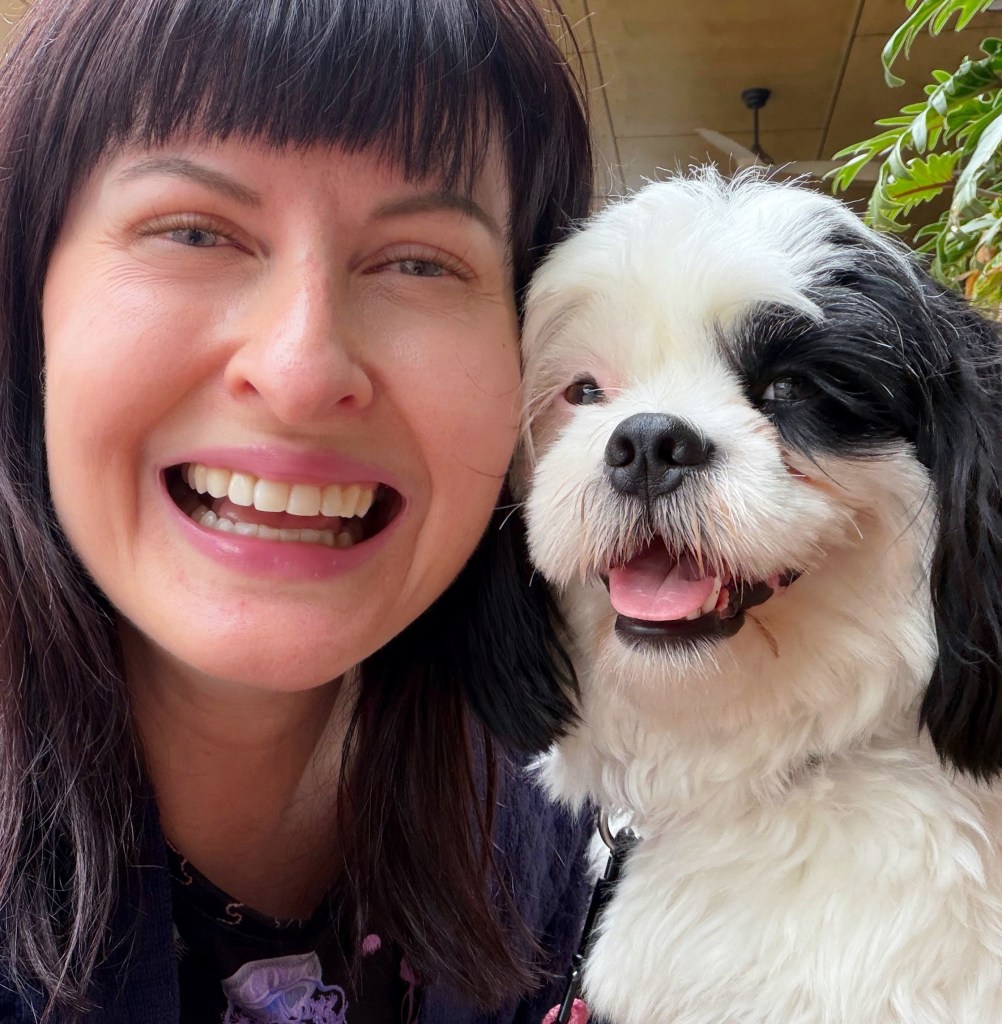
Marissa Edwards is one of the co-founders and co-curators of Voices of Academia. She is a Senior Lecturer at the UQ Business School at the University of Queensland, Australia, and is known internationally for her academic mental health advocacy work. Her favourite things include being an aunty to a rescue puppy, coffee, travelling, and live music.

