Multiple sclerosis (MS) entered my life in 2013 with my wife’s diagnosis. We spent time learning to manage the condition and moved to another city to be able to draw on family support while understanding the nature of the disease. This learning curve steepened dramatically when cancer complicated her condition in 2015, leading to two years of treatment that pushed MS management into the background. When she achieved remission, we thought we’d found our new normal.
In 2023, ten years after her diagnosis, I learned I had MS too. I went from being a supportive partner to someone living with the condition myself. The medical reality was compounded by the psychological weight of uncertainty about career sustainability and whether I could maintain the professional identity I had spent years building. The persistent worry was whether disclosing this would mark me as damaged goods, potentially derailing any chance of promotion or career advancement. This has prompted two years of reflection on my part on how chronic illness changes not just what we do as academics, but how we relate to the colleagues who make that work possible.
In his book Metamorphosis: A Life in Pieces (2023), academic Robert Douglas-Fairhurst uses Kafka’s The Metamorphosis (1915) as a lens for understanding a diagnosis of MS. Like Kafka’s protagonist Gregor Samsa, we don’t simply acquire a medical condition; we undergo a transformation that reshapes how we move through professional spaces and how others perceive us.
Yet unlike Samsa, whose transformation leads to isolation, living with MS offers possibilities for adaptation and continued contribution. The key difference lies in the quality of relationships we maintain and cultivate throughout our academic careers.
The Embodied Reality of Academic Work
Academia often presents itself as a purely intellectual pursuit, conveniently forgetting its embodied nature. MS makes this physical reality impossible to ignore. On one occasion shortly after my diagnosis, I fell over myself whilst teaching; a sudden, involuntary reminder that my scholarly identity is inseparable from my physical being. More distressingly, on a small number of occasions, I have forgotten a word mid-lecture, standing before students as cognitive fatigue suddenly erased the expertise I was there to share.
I now tell my students at the beginning of each semester that I have MS in order to mitigate any potential misunderstandings. Students generally respond with empathy rather than concern about my teaching ability, and a number of them have said my openness helps them feel more comfortable approaching me about their own challenges.
These moments reveal the fundamental contradiction in how I once conceptualised academic work: we celebrate the life of the mind whilst pretending it doesn’t require a functioning body to support it.
The cognitive symptoms of MS create particular challenges in a profession that values mental acuity above almost all else. Fatigue-induced brain fog doesn’t align with intensive 8-hour teaching blocks on an Executive MBA programme. Cognitive processing delays don’t accommodate publication deadlines. I have had to teach myself to become better at saying no to non-essential service commitments, recognising that energy management requires prioritisation of core responsibilities. In addition, scheduling PhD supervision meetings in the early morning has meant less likelihood of cognitive fatigue.
In my teaching, I look at how professional identities develop through consistent performance and peer recognition. MS disrupts this process by introducing unpredictability into professional performance—raising complicated questions about how academic identity persists when one’s capacity fluctuates from day to day.
Research Friendships: The Antidote to Academic Isolation
What has sustained me through my experience with chronic illness isn’t institutional support or formal accommodations—it is the genuine friendships I’ve developed with collaborators over my career. Those with whom I research and write are those whom I would call friends, and their understanding of the ebb and flow of MS has allowed me to maintain a healthy approach to work.
These aren’t merely professional relationships enhanced by personal warmth. For me, they represent a fundamental reorientation of how academic work gets done. My colleagues have intuitively grasped what Douglas-Fairhurst describes as the need to ‘live with uncertainty’ that MS brings.
When cognitive symptoms flare, these colleagues adapt our collaborative processes without making me feel diminished. When energy levels fluctuate, they adjust timelines and expectations with the same ease they might accommodate a colleague’s sabbatical or family commitments. Most importantly, they see past the symptoms to the intellectual contribution that (I hope) remains consistent even when delivery mechanisms vary. For academics seeking to build such relationships, I think that authenticity matters more than timing. The colleagues who became genuine supporters weren’t necessarily those I’d known longest, but those who responded to professional vulnerability with curiosity rather than discomfort. Seek out colleagues who already demonstrate flexibility in their working styles, who speak about work-life integration rather than just productivity, and who show interest in diverse perspectives. These individuals are more likely to understand that accommodating chronic illness represents adaptation, not compromise.
These relationships have also prompted reflection on how we define academic success. Conventional metrics — citations, funding, teaching evaluations — assume consistency of capacity that chronic illness directly challenges. My colleagues have shown that meaningful academic careers can accommodate health-imposed limitations whilst recognising that lived experience with illness can enrich research in ways that purely theoretical approaches cannot.
This form of friendship-based collaboration operates according to different rules than traditional academic partnerships. There’s an implicit understanding that some days I’ll contribute more, some days less, but that the overall relationship remains equitable.
Strategic Disclosure in a Competitive Environment
The decision to disclose chronic illness in academic settings involves complex calculations of risk and benefit. Unlike many workplace environments, academia maintains particularly blurry boundaries between personal and professional life.
I initially shared my diagnosis with a carefully selected group of colleagues—those with whom I’d already established mutually supportive relationships. Their responses provided insight about how the broader academic community might react, allowing me to refine my disclosure strategy over time.
This approach revealed significant variation in how academics respond to chronic illness in their midst. Most colleagues demonstrated remarkable flexibility, adapting collaborative workflows without drawing attention to these adjustments. Some seemed cognitively accepting but emotionally uncomfortable, creating technically accessible but interpersonally strained working relationships.
The research friends who responded most effectively shared a crucial characteristic: they understood that accommodating MS isn’t about lowering standards but about recognising that good work can emerge through diverse pathways.
The Emotional Labour of Managing Perceptions
Chronic illness in visible professional settings necessitates a distinctive form of emotional labour by managing others’ perceptions and reactions to illness alongside managing the illness itself.
When I stumble over words during a lecture, I try to simultaneously:
- Recover my train of thought
- Briefly explain to students why my brain has misfired
- Redirect attention back to the course content
This multidimensional management occurs against the backdrop of physical and cognitive symptoms demanding their own attention. Douglas-Fairhurst captures this exhausting duality when he describes the constant self-monitoring that MS requires—not just of symptoms, but of how those symptoms might be perceived by others. The academic with MS becomes a performer managing multiple audiences: students who expect competence, colleagues who may question capability, and institutions who need assurance of continued productivity. My colleagues have largely relieved this particular burden. With them, I can acknowledge a difficult symptom day without it becoming a commentary on my professional worth. This freedom from performative competence creates space for authentic collaboration.
Building Resilience Through Connected Autonomy
The academic profession offers a paradoxical combination of isolation and interconnection. We work independently on specialised research whilst participating in deeply collaborative knowledge communities. At a broad level, this creates both vulnerabilities and opportunities for academics managing chronic illness.
The autonomy of academic work can accommodate the unpredictable nature of MS symptoms, allowing for flexible work scheduling and location. Simultaneously, the interconnected nature of scholarly communities provides pathways for support and adaptation.
What I like to think of as connected autonomy emerges as a particularly effective approach for academics with chronic illnesses. This allows us to maintain independence in work design whilst establishing supportive interdependence in professional relationships.
This balance requires intentional cultivation of collegial networks that understand and value your contribution enough to create space for fluctuating capacity. It means focusing available energy on meaningful work rather than peripheral obligations. Most importantly, it demands selective collaboration with colleagues who enhance rather than deplete limited resources.
My colleagues embody this connected autonomy perfectly. They facilitate independence whilst offering support that feels genuine rather than patronising. They understand that some collaborations must be structured differently without seeing this as inferior to traditional academic partnerships.
What Colleagues and Institutions Can Do
These personal strategies work within existing academic structures, but systemic change requires institutional awareness. My positive experiences suggest several approaches that colleagues and institutions might consider. Colleagues can normalise flexible working arrangements by offering multiple collaboration options rather than assuming traditional models suit everyone. Simple phrases like ‘Would it work better to meet virtually or in person?’ or ‘Would you prefer to tackle this over several shorter sessions?’ create space for accommodation without requiring disclosure.
Institutions might consider how promotion criteria could recognise diverse contribution patterns, thereby valuing sustained intellectual engagement even when productivity metrics fluctuate.
Conclusion
Part of my reason for writing this piece is that I have never met another academic with MS, nor could I find any literature on how universities support academics with ongoing health issues. For those navigating chronic illness in academic settings, hopefully my perspective offers hope. Most importantly, I hope readers, whether they live with chronic conditions themselves or work alongside those who do, recognise that academic excellence can emerge through diverse pathways, and that our scholarly communities become stronger when we embrace rather than merely accommodate human variation. The challenge lies in building communities of scholarship that accommodate human variation whilst advancing our collective understanding.
Where Douglas-Fairhurst’s use of Kafka’s Metamorphosis as a metaphor for MS proves most instructive is in highlighting what need not be inevitable. Gregor Samsa’s transformation leads to alienation, shame, and eventual death because he cannot find ways to maintain meaningful connections despite his changed circumstances.
When receiving my MS diagnosis two years ago, I feared a similar risk of professional isolation and impact on my chances of career progression because of potential cognitive and physical limitations. Yet I have found that transformation need not lead to isolation by cultivating relationships that value the whole person rather than just productive output.
I used Grammarly to correct spelling, grammatical and punctuation errors as needed.
No other Artificial Intelligence tools or technologies were used in developing and writing this blog.
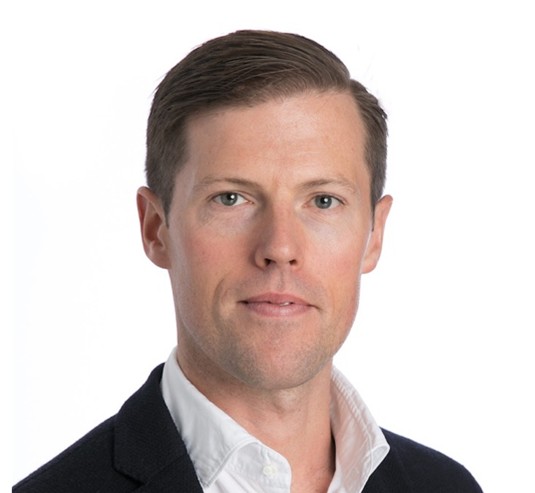
Ronan is Professor of HRM at Cork University Business School, University College Cork, Ireland, where he is Director of the Executive MBA programme. His research has been published in outlets such as Human Resource Management Journal, Human Resource Management (US), and Journal of Managerial Psychology. Ronan was recognised by the Academy of Human Resource Development with the 2024 Outstanding HRD Scholar Award.

This blog is kindly sponsored by G-Research.
 Voices of Academia