Chronic health conditions, fertility struggles, and the precarity of academic life shape the lives of countless academics, yet these truths often remain unspoken in professional spaces. I was preparing to defend my PhD when my body quietly, irrevocably, rewrote the script of my future without consent or asking permission.
The floral dress I chose for that appointment, a cheerful yellow dotted with tiny daisies, hung perfectly as I sat across from doctor. They delivered news that forced me to rethink every assumption I had carried for over thirty years, back when I was still in my thirties, long before I crossed into my forties. Premature ovarian failure syndrome. The clinical terms couldn’t soften the reality: my body was moving into menopause decades ahead of schedule, taking with it the easy assumption that I had time to figure out motherhood later, after I finished my viva, after I started my postdoc, after I finally found a permanent position.
What followed wasn’t just a health crisis; it was a collision between the relentless demands of academic life and the sudden fragility of my own body. This is the story of how I learned that survival in academia isn’t just about publishing papers and securing funding; sometimes it’s about learning to live authentically in a world that rewards high performance above all else.
The Perfect Storm
But let’s start at the beginning. For nearly twenty years I worked as a disability practitioner, providing diagnosis, rehabilitation, and ongoing support to children and adolescents with a range of disabilities. I also supported their families through complex care journeys and transitions. My interdisciplinary experience in clinical psychology—from leading specialist education programmes in Greece to clinical work at Moorfields Eye Hospital in London—led to two life-changing scholarships: one from the Greek Bakala Foundation and another from the Swiss Leventis Foundation. With their support I moved to the UK and finally followed the dream I had held since childhood to become an academic. It was a new beginning and back at that time I was juggling three fixed-term contracts across different universities when the symptoms started. Brain fog that made writing feel like swimming through treacle. Joint pain that turned long library days into endurance tests. Crushing fatigue that no amount of tea or coffee could touch. Excessive bleeding, mood swings, night sweats, and hot flashes. I did what every academic researcher does—I pushed through, convinced that productivity was the only acceptable response to any challenge.
What followed was a medical journey that tested my resilience in ways I never anticipated. First came a diagnosis of thrombophilia: a blood clotting disorder that required immediate attention. Then, in a devastating turn, doctors suspected gynaecological cancer. The weeks that followed were filled with specialist appointments, invasive tests, and the terrifying uncertainty that comes with facing your own mortality while trying to maintain academic responsibilities. After countless consultations with different specialists, the cancer suspicion that I never quite believed was ruled out. The potential cancer diagnosis put me through unnecessary emotional trauma, and the relief was overwhelming. The real diagnosis that emerged was premature ovarian failure syndrome, a condition that would actually reshape my future in ways I couldn’t imagine.
This medical odyssey occurred during what should have been a triumphant period—defending my PhD thesis while preparing for my first postdoctoral position. The contrast between professional achievement and personal health crisis created a surreal existence where I was simultaneously succeeding and struggling in the most fundamental ways. The irony wasn’t lost on me that for almost two decades I had been supporting others as a clinician, and now I had to learn to take care of myself.
Early menopause during my viva meant more than hot flashes and irregular periods. It meant confronting the possibility that the children I had always assumed would happen “someday” might never happen at all. It meant expensive treatments the NHS couldn’t cover, specialist appointments that didn’t accommodate academic schedules, and a cascade of health complications that would emerge as I transitioned into my first postdoctoral position.
The treatments began as I started my postdoc, adding another layer of complexity to an already challenging transition and a period when I had to build relationships with new colleagues at a new university. What I didn’t anticipate was how hormone replacement therapy (HRT) would trigger vascular complications that eventually required surgery, or how managing ongoing lymphedema would become part of my daily routine alongside research deadlines. Academic salaries on fixed-term contracts don’t stretch to cover fertility preservation, specialised vascular care, the ongoing therapies needed to manage chronic conditions, or the specific nutrition and exercise programmes I needed immediately to prevent osteoporosis, inflammation as well as weight gain, and reduce pain. I found myself calculating whether I could afford both rent and treatment, whether attending a crucial conference meant skipping medical appointments, and whether the stress of academic precarity was making everything worse.
But perhaps the hardest part was the psychological isolation. Academic culture celebrates pushing through obstacles, working despite personal challenges, and maintaining productivity above all else. There was no space in this narrative for acknowledging that sometimes your body simply won’t cooperate with your ambitions.
The Art of Academic Camouflage
I became an expert at hiding in plain sight. Those floral dresses and my smile weren’t just professional attire, but carefully chosen armour, projecting competence and vitality while concealing compression stockings or colourful taping that had become essential for managing circulation issues, especially when traveling either by train or airplane, or walking long distances. I perfected the art of scheduling important meetings around energy cycles and medical appointments, carrying discreet medication supplies, and having backup plans for the days my body staged rebellions.
The performance was exhausting. Standing in faculty lounges making small talk about research while calculating whether I had enough energy to make it through the day. Presenting papers with the confidence expected of an emerging scholar while managing hot flashes and dizziness that could strike without warning. Networking at conferences while my mind tracked medication schedules and bathroom locations, or after sleepless nights waiting for my HRT to start working or for my new HRT regimen to take effect.
I told myself this was just temporary adaptation, that I would figure out the balance soon. But months passed, and the gap between my public academic persona and my private reality kept widening. I was succeeding professionally while struggling personally, achieving everything I thought I wanted while losing things I didn’t even know I needed.
The turning point came on what seemed like an ordinary day. I returned to my office to find pamphlets about university wellbeing support groups quietly placed on my desk. To this day, I don’t know who left them there—the office had been locked, and no one mentioned anything. But whoever it was gave me an extraordinary gift at exactly the moment I needed it most.
Finding My Three Anchors
Three specific groups became my lifelines, each addressing different aspects of what I was experiencing. Walking into my first “No Kidding” meeting (a support group for people who are childless not by choice) required more courage than any keynote speech I had ever faced. Here, I would have to acknowledge out loud something I would barely admit to myself: that my academic timeline and my biological reality were in fundamental conflict, and biology was winning.
The room was smaller than I expected, filled with people of various ages sitting in a circle that felt both intimate and terrifying. When my turn came to speak, I heard myself say words I had never spoken before. The response wasn’t pity or platitudes; it was recognition. These people, vulnerable as well and in a variety of positions around the university, understood the specific grief of watching peers announce pregnancies while you are scheduling fertility consultations. They understood the rage that wells up when well-meaning but indiscreet people ask when you will “finally” settle down, forget your career, and have children. They could even imagine that what they saw as my career was, for me, a safe nest. They got the complexity of mourning something that was never guaranteed while trying to celebrate the achievements you have actually accomplished.
The “Loss and Grief” support group became my second anchor, welcoming both women and men who understood that some losses require more than just moving on to the next opportunity. Here, surrounded by people who understood profound loss, I could process not just the loss of potential motherhood, but the broader losses that a chronic health condition brings: the loss of certainty about the future, the loss of trust in my body, the loss of the straightforward academic path I had planned. In a profession that rarely acknowledges any grief except perhaps failed grant applications and article rejections, this group gave me permission to mourn properly.
The “Menopause” support group completed my trinity of support, providing practical strategies for navigating hormonal changes while maintaining professional effectiveness. Here, I learned that the brain fog that made writing so difficult could be alleviated with strategies. I discovered that the joint pain making long days unbearable wasn’t something I just had to endure. Most importantly, I found women who understood that navigating menopause while building an academic career creates challenges that standard advice doesn’t address.
The Unexpected Education
What surprised me wasn’t just how much these three groups helped with specific challenges, but how they fundamentally changed my understanding of what it means to belong in academia. For years, I had operated from scarcity—limited positions in a rare specialty like mine, limited opportunities, and limited tolerance for anything that interfered with perfection and productivity.
These weren’t just support groups, but masterclasses in authenticity, resilience, and sustainable academic practice. I was learning skills that no professional development workshop had ever taught: how to set boundaries that protected both health and career, how to communicate needs without appearing weak, how to redefine productivity in ways that honoured both ambition and human limitations, how to recognise my nurturing skills in unexpected ways (like bringing myself a nice flower bouquet on Mother’s Day), and acknowledging the mothering I do in my professional relationships and everyday life even without biological children.
Rewriting the Script
The transformation didn’t happen overnight. There were still financial worries tied to the uncertainty of fixed-term contracts, health setbacks, and days when the gap between my energy and my ambitions felt insurmountable. But something fundamental had shifted in how I understood my place in academic life.
Instead of seeing my health challenges as obstacles to hide, I embraced them as part of my authentic academic identity, something a kind colleague once termed my “personal brand”. This shift influenced everything from my research interests to my teaching approach. I was already drawn to questions about accessibility and inclusion, but now I became even more passionate about qualitative methodology in participatory research and the vision impairment field that academia often overlooks. My teaching became more empathetic and perhaps more interesting, not focusing only on the academic aspects but shaped by understanding the invisible challenges students might face.
My approach to professional relationships changed too. Instead of maintaining a flawless facade, I began building connections based on genuine mutual support. I found mentors who valued honesty over perfection, collaborators who understood that sustainable productivity looks different for different people, and colleagues who appreciated vulnerability as a form of courage; or maybe I attracted them rather than simply found them.
Perhaps most importantly, I learned to measure success differently and to believe in trust. Publications and grants remained important, but I also celebrated other achievements, such as the conference presentation delivered despite a difficult week, the supportive conversation with a struggling student with low vision, the boundary successfully maintained when asked to take on work that would compromise my health.
The Institutional Awakening
My personal journey highlighted broader institutional issues that universities rarely address directly. Academic culture excels at supporting traditional challenges like writing centres, research development programmes, and project funding. But support for the full spectrum of human experiences that academics bring to their work is often fragmented, underfunded, or invisible.
The three groups that were my lifelines operated on minimal budgets, run voluntarily by dedicated staff who understood that wellbeing isn’t separate from academic success but foundational to it. Yet these programmes remained precarious themselves, dependent on individual champions rather than systematic institutional commitment.
I began noticing how many colleagues were quietly struggling with their own invisible challenges: chronic physical illnesses, mental ill-health, caregiving responsibilities, financial stress, family crises. The academic pressure to present as always competent and capable meant these struggles remained hidden, creating a culture where everyone felt alone with their challenges while trying to seem invincible.
I also witnessed, though, what became possible when institutions got it right. Universities like the University of Bath, with comprehensive wellbeing programmes and flexible learning structures, or the King’s College London, whose research into flexible working has informed national policy, demonstrated how cultures that value human sustainability over relentless productivity can produce not just healthier academics, but better research, more innovative teaching, and stronger intellectual communities.
Practical Wisdom
Through my journey and countless conversations with others navigating similar terrain, I have learned practical strategies that might help others facing chronic health conditions in academic precarity:
Reframe disclosure as strategy, not vulnerability. You don’t owe anyone your medical history, but strategic honesty about your needs can unlock support you didn’t know existed. Many managers and colleagues are more understanding than we anticipate, especially when conversations focus on what would help you do your best work.
Master energy management over time management. Academic culture rewards long hours, but chronic health conditions teach you to maximise good days and honour difficult ones. In my experience, this often leads to higher quality work, even if the timing doesn’t match traditional expectations.
Build multiple support networks. Seek both condition-specific resources and general wellbeing communities. Apart from family and friends, peer support groups can fill gaps in local support, especially for rare conditions or when campus resources are limited.
Advocate for systemic change. Individual accommodations are important, but institutional change benefits everyone. If possible, I encourage others to push for better policies around sick leave, flexible working, and comprehensive health support.
The Ongoing Story
Today, I still choose floral dresses for important academic events, and I still wear compression stockings underneath them. This time, though, the dresses no longer feel like costumes; they are simply how I choose to present professionally. The stockings aren’t shameful secrets; they are practical tools that help me participate fully in academic life.
My health challenges haven’t disappeared, and academic precarity remains an ongoing yet manageable stressor. Yet now, I have resources, community, and a radically transformed understanding of thriving in academia. I know my experiences with chronic illness, early menopause, and childlessness not by choice aren’t barriers to my academic success. Rather, they have deepened my intellectual work, making it more nuanced and inclusive.
The three university groups that became my anchors taught me that vulnerability can be a professional strength, that authentic community can be possible even in competitive environments, and that resilience isn’t about pushing through alone, but building networks of mutual support where everyone can flourish.
Conclusion
Mine isn’t a story of overcoming obstacles or triumphant recovery. Instead, I feel that my story is about living authentically within constraints that won’t simply disappear, and hopefully inspiring others along the way (as my lovely sister advised me when I was at my lowest, knowing that this would motivate me).
The peer support communities that transformed my experience helped me cope and also revealed a different model for how academic life could work. Through them, I learned that being fully human can be enough in academia, with no superhuman feats required. They demonstrated what becomes possible when we create space for the full range of human experiences, when we measure value beyond productivity metrics, and when we build genuine community rather than just professional networks.
If you are reading this and recognising your own struggles, know that seeking support isn’t evidence of unsuitability for academic life; it’s evidence of wisdom! The skills that help you navigate a chronic health condition, process grief, or manage major life changes are valuable academic skills that require development, and they were challenging even for me as a psychologist. Your experiences matter, your perspective enriches scholarly discourse, and hopefully you will find people and resources available to help you thrive authentically.
For those in positions to influence institutional policies, please consider how universities can better support the full spectrum of human experiences that academics bring to their work. The programmes that became my lifelines represent just the beginning of what’s possible when institutions recognise that wellbeing and academic excellence aren’t competing priorities—they are interdependent.
Academia is strongest when it includes all of us, with floral dresses, compression stockings, colourful medications, and everything in between. The question isn’t whether we can afford to support academics facing health challenges; the question is whether we can afford not to.
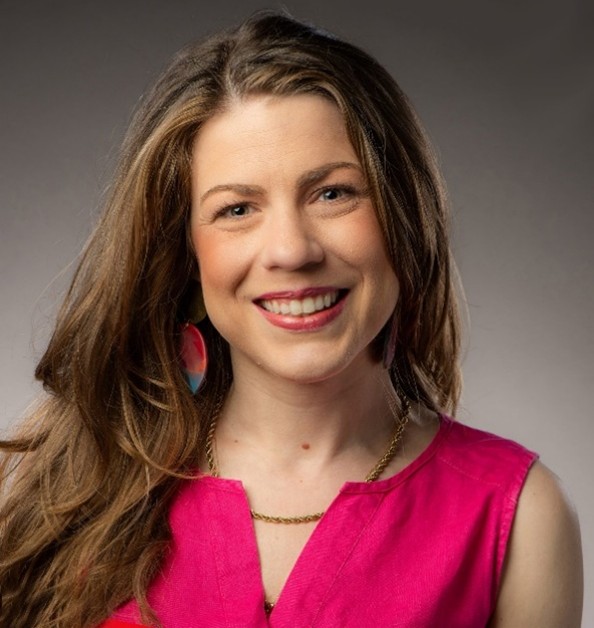
Dr. Aikaterini Tavoulari (@KateInclusiveEd) is a Fellow of the Higher Education Academy, Chartered Psychologist with the British Psychological Society, and Chartered Disability Practitioner with the National Association of Disability Practitioners. She brings over 19 years of interdisciplinary clinical psychology experience, including leadership in specialist disability education in Greece, clinical work at Moorfields Eye Hospital in London, and lecturing in topics including disability studies, vision impairment, qualitative methods, and EDI at University College London and the University of Birmingham. Her research at King’s College London and the University of Bath continues in these areas. Through her NIHR Fellowship, she champions accessibility in vision impairment as well as depression and challenges ableism through participatory research. You can find her at https://tavoularikaterina.com/

This blog is kindly sponsored by G-Research.
 Voices of Academia